January 14, 2026
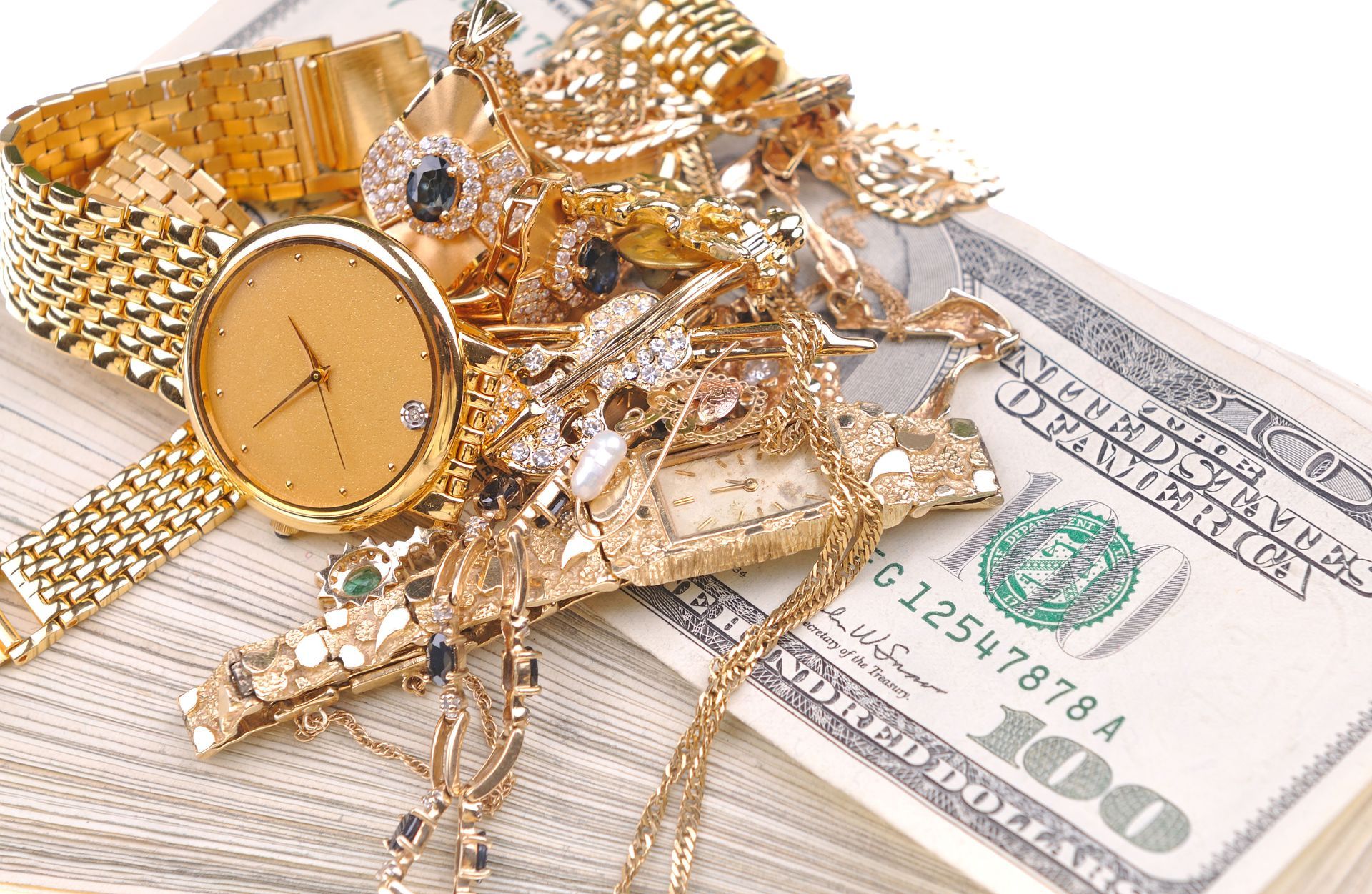
In recent years, gold jewelry has gained popularity not only as a fashion statement but also as a potential investment. Beyond aesthetics, these pieces offer investors a tangible asset that carries both historical significance and financial stability. Evaluating gold jewelry through economic, cultural, and market lenses reveals its multifaceted value. By understanding its role in wealth preservation, hedging against inflation, and portfolio diversification, investors can make more informed decisions. This article explores the key reasons why gold jewelry may serve as a prudent addition to a well-rounded investment strategy.
1. Historical Value and Cultural Significance
Gold jewelry has been cherished as a store of wealth for thousands of years, transcending cultural and geographical boundaries. Its rarity and indestructible qualities have made it a preferred medium for transferring wealth and displaying status. Across societies, gold jewelry is more than an adornment—it is a symbol of prosperity, power, and tradition. Cultural practices such as wedding ceremonies, religious festivals, and family inheritances maintain the consistent demand for gold, contributing to its stability as an asset. According to the World Gold Council, over 50% of gold demand globally is influenced by jewelry purchases, highlighting the enduring cultural and economic importance of these pieces.
In addition to its cultural and symbolic significance, gold jewelry also serves as a strategic financial tool for investors. Its intrinsic value and limited supply make it a reliable store of wealth that is less susceptible to market volatility than many paper-based assets. Investors often view gold jewelry as a hedge against economic uncertainty, inflation, and currency fluctuations, knowing that it retains both tangible and monetary worth over time. By combining beauty, heritage, and financial security, gold jewelry occupies a unique position where personal enjoyment and prudent investment intersect, appealing to collectors and investors alike.
2. Tangibility and Durability
One of gold jewelry's most appealing investment features is its tangible nature. Unlike digital or paper-based assets, owning physical gold provides a sense of security that can be both emotionally and financially reassuring. Investors value the ability to physically hold their wealth, particularly during times of economic uncertainty. Additionally, gold's resilience against tarnishing and corrosion ensures that jewelry retains its luster over decades, making it a lasting family heirloom. Compared to other metals, gold requires minimal maintenance, reducing costs and preserving long-term value, which enhances its appeal as a practical investment.
Another advantage of investing in gold jewelry is its versatility and broad market appeal. Unlike highly specialized assets, gold jewelry can cater to a wide range of tastes, styles, and cultural preferences, increasing its desirability and resale potential. Contemporary designs, classic pieces, and antique items each attract different buyer segments, allowing investors to tailor their collections strategically. This diversity not only supports portfolio flexibility but also ensures that the investment can adapt to shifting trends and consumer demands. Consequently, gold jewelry combines aesthetic value with financial pragmatism, making it a dynamic and enduring investment choice.
3. Inflation Hedge and Economic Stability
Gold jewelry has a well-documented track record as a hedge against inflation. When fiat currencies lose purchasing power due to rising inflation, gold historically maintains or increases its value. This characteristic provides investors with a protective buffer during economic downturns, offering both security and peace of mind. Economic cycles also play a role in gold demand, with recessions often boosting interest in gold jewelry as a “safe haven” asset. According to historical data from the World Gold Council, gold prices have generally risen during periods of high inflation, demonstrating the metal's enduring role as a stabilizing component in diversified investment portfolios.
In addition to serving as a hedge against inflation, gold jewelry provides consistent performance across different market conditions. Its intrinsic value and limited supply help insulate it from the extreme volatility often seen in stocks or cryptocurrencies. Even during economic uncertainty, gold jewelry retains a level of stability that appeals to risk-averse investors seeking long-term security. Furthermore, the tangible nature of jewelry allows for both enjoyment and financial utility, bridging the gap between personal use and investment strategy. This combination of reliability and versatility reinforces gold jewelry’s position as a cornerstone in well-balanced portfolios.
4. Portfolio Diversification
Incorporating gold jewelry into an investment portfolio can enhance financial balance and reduce risk exposure. Diversification is critical to managing volatility, as it spreads potential losses across multiple asset types. Gold jewelry complements equities, real estate, and bonds, providing both liquidity and physical security. Its intrinsic value is less sensitive to market swings compared to stocks or cryptocurrencies, making it a reliable stabilizer. Investors benefit from both its aesthetic appeal and its financial function, creating a dual-purpose asset that blends personal enjoyment with strategic wealth management.
Market trends and consumer behavior further support the investment potential of gold jewelry. Rising interest among younger investors, especially millennials, has increased demand for tangible assets that combine beauty with financial security. Social media and celebrity endorsements amplify awareness and desirability, influencing purchasing decisions and expanding market reach. Additionally, emerging markets with growing middle classes, such as India and China, continue to drive global gold jewelry consumption. According to the World Gold Council, jewelry demand consistently represents a significant portion of total gold purchases, reflecting both cultural significance and investment appeal. This sustained interest underscores the metal’s ongoing relevance and potential for long-term value appreciation.
5. Market Demand and Trends
Global interest in gold jewelry continues to grow, driven by emerging markets, younger investors, and evolving consumer behavior. Millennials and Generation Z, increasingly focused on tangible assets, are drawn to gold jewelry for its blend of style and investment value. Social media exposure and celebrity endorsements further amplify demand, making gold jewelry culturally relevant and financially desirable. Emerging economies, particularly in Asia, are experiencing surging middle-class demand, which stabilizes global markets and creates opportunities for both collectors and investors. This sustained interest underscores gold jewelry's potential as a long-term investment.
Gold jewelry also offers high liquidity, making it a practical choice for investors seeking easily convertible assets. Unlike real estate or certain collectibles, gold can be sold or traded quickly through a variety of channels, including jewelry stores, pawn shops, and online marketplaces. Certified pieces with proper appraisals further enhance resale value and buyer confidence, ensuring transparent transactions. This accessibility provides investors with flexibility and financial security, allowing them to respond to market opportunities or personal needs without significant delays. The combination of liquidity and intrinsic value makes gold jewelry a versatile and dependable component of any investment strategy.
6. Generational Wealth and Estate Planning
Gold jewelry serves as a tangible vehicle for passing wealth across generations. Beyond its financial value, these pieces carry historical and sentimental significance, strengthening family legacies. Incorporating gold jewelry into estate planning ensures that assets are both identifiable and transferable, providing heirs with a secure form of wealth. Well-documented appraisals and certifications help maintain authenticity and market value, protecting investments from disputes or fraud. Over time, the appreciation potential of gold jewelry, combined with its portability and cultural significance, makes it an invaluable asset for long-term wealth preservation.
7. Blending Tradition with Investment Strategy
Gold jewelry offers a unique combination of aesthetic appeal, durability, and financial utility, making it an attractive choice for investors seeking both beauty and stability. Its historical significance, inflation-hedging capability, and tangible nature position it as a reliable addition to diversified portfolios. Whether for immediate use, long-term investment, or generational wealth transfer, gold jewelry proves to be a multifaceted asset. For expertly curated pieces that merge style with financial value, Rockford Jewelry & Coins LLC provides guidance, certified appraisals, and investment-grade gold jewelry to help you build lasting wealth. According to the World Gold Council, jewelry continues to account for a substantial portion of global gold demand, confirming its ongoing investment relevance.
Gold jewelry combines timeless beauty with enduring financial benefits, making it a prudent asset for both collectors and investors. From historical value to portfolio diversification and generational wealth planning, these pieces serve multiple roles that transcend simple adornment. Rockford Jewelry & Coins LLC offers expert guidance and certified pieces to help investors maximize both aesthetic and financial returns. Incorporating gold jewelry into your investment strategy ensures tangible security, cultural significance, and long-term appreciation potential, solidifying its position as a cornerstone in smart wealth management.