June 21, 2026
The price of gold jewelry is a topic of great importance to both everyday consumers and luxury investors alike. Understanding the myriad macro-economic and artistic factors that influence the market valuation of precious metals can help shoppers make highly informed purchasing decisions, while alternative investors can better grasp broader market dynamics. Gold has stood as a universal symbol of generational wealth, financial security, and societal status for millennia, making it a sought-after luxury commodity across global cultures.
As spot market conditions fluctuate, the consumer-facing costs of luxury goods adapt in real-time. This article seeks to unravel the structural complexity behind these shifting retail price points. By analyzing the core variables involved—from pure bullion valuation to custom athletic motifs—we provide a comprehensive overview of the market forces that directly determine the final price of modern gold jewelry and luxury gold items.
1. Spot Gold Market Prices and Macroeconomics
The spot price of pure raw bullion is the absolute foundational determinant of consumer-facing jewelry valuation. Current market trends reflect a complex mix of global economic conditions, fluid investor sentiments, and shifting geopolitical events. Because gold is universally recognized as a premium safe-haven asset, its baseline cost per ounce historically climbs during periods of intense economic volatility, high inflation, or currency devaluations, which shields capital from market depreciation. Global supply and demand dynamics keep raw material costs elevated.
According to J.P. Morgan Private Bank, central bank and investor demand for gold is expected to remain strong, averaging 585 tonnes per quarter in 2026. This monumental institutional demand directly prevents consumer prices from dropping. Furthermore, secondary economic indicators, such as central bank interest rate adjustments, monetary stimulus packages, and the relative strength of the U.S. dollar, heavily influence spot rates.
2. Purity Levels and the Karatage System
Gold purity, measured systematically through the global karat system, serves as a direct pricing factor for fine gold jewelry. The metric quantifies the precise ratio of pure elemental gold mixed with secondary stabilizing alloys within a finished piece, with 24-karat representing 100% unalloyed pure gold. Because pure gold is naturally soft, malleable, and prone to scratching, it is rarely utilized in its raw form for active accessories.
Commercial fine jewelry options typically range from 10-karat (containing roughly 41.7% pure gold) to 18-karat or 22-karat options, which offer a significantly greater percentage of precious metal content and a deep, naturally vibrant yellow glow. Pieces crafted for active lifestyles, such as customized gold jewelry meant to survive sweat and physical movement on the links, often find an ideal sweet spot at 14-karat. This alloy balance ensures the piece remains structurally scratch-resistant while retaining an exceptional level of intrinsic financial value, which helps consumers balance absolute physical durability with pure metal content.
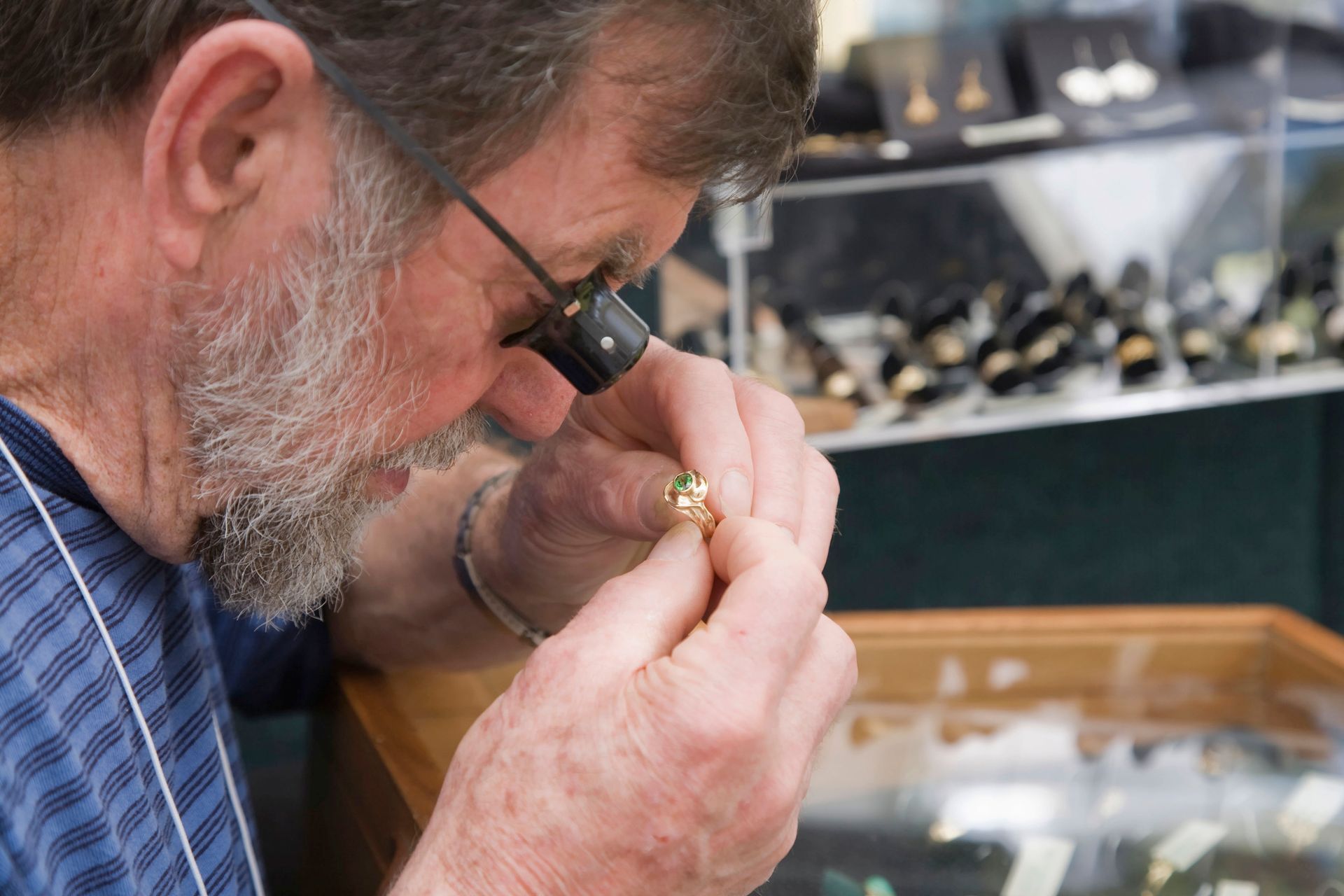
To guarantee absolute consumer transparency and prevent counterfeit items from entering the marketplace, reputable items must undergo official laboratory assaying and certification. These formal validation processes stamp the interior metal surfaces with official hallmarks denoting the exact karat purity. These industry-regulated validation stamps eliminate consumer ambiguity, verify the underlying scrap value of the item, and elevate the piece's secondary resale value, which provides buyers with absolute confidence regarding the authenticity of their high-value luxury investments.
3. Design Complexity and Artisanal Craftsmanship
The absolute complexity of a jewelry design is a massive driver of final retail markup. While mass-produced, machine-stamped pieces require minimal hands-on intervention, high-end, custom-crafted items demand intensive master artistry. Creating specialized fine accessories, such as a luxury piece of gold jewelry featuring a miniature pavé-diamond golf club bag or a perfectly symmetrical dimensional golf ball pattern, requires hours of precise manual labor, intricate stone setting, and masterful micro-soldering.
Master jewelers commit significant time to developing intricate waxes, refining three-dimensional cast details, and polishing microscopic surfaces. This specialized artisan time, known across the trade as "bench hours," is factored heavily into the manufacturer's final pricing architecture. Consequently, when consumers purchase an intricate piece, they are not merely paying for the raw weight of the gold; they are investing heavily in the expert labor, technical difficulty, and rare creative vision required to turn raw metal into a wearable work of art.
4. Brand Equity and Luxury Prestige Markups
Brand reputation and historical prestige play an undeniably massive role in determining luxury retail pricing. Globally renowned luxury houses can command astronomical price premiums that soar far above the raw melt value of the metals utilized. This pricing power stems from decades of consumer trust, impeccable quality control records, innovative collections, and high cultural status.
When an item is housed in a recognized luxury box, the consumer is willingly paying for the exclusive heritage and social prestige tied directly to the designer name. This brand equity ensures the item retains its premium desirability over time. Consumers view prestigious purchases not just as simple accessories, but as secure status symbols and collectible family heirlooms that maintain a distinct market premium in the global estate jewelry trade.
5. Global Supply Chains and Production Overhead
The complex supply chain required to mine, refine, transport, and manufacture fine jewelry introduces substantial operational overhead that influences retail costs. The initial process of extracting raw ore from deep subterranean mines and purifying it into 99.9% pure bullion bricks is a highly resource-intensive endeavor. Rising global energy costs, shifting fuel prices, and increasingly stringent environmental safety regulations heavily inflate modern mining budgets, which alters the base valuation of precious alloys before an artisan ever touches the material.
Furthermore, geographic logistical challenges and international trade realities introduce secondary layers of volatility. Geopolitical tensions across primary mining regions can create immediate supply shortages, driving up international acquisition tariffs. When local governments alter import and export duties, or when value-added taxes (VAT) adjust, jewelry retailers are forced to adapt their pricing models to preserve operational margins, which illustrates how heavily geopolitical compliance costs impact consumer retail prices.
6. Contemporary Manufacturing Technologies
Modern advancements in production technology have introduced a fascinating duality into fine jewelry pricing structures. Today, master designers heavily utilize computer-aided design (CAD) software and ultra-precise 3D wax printers to execute incredibly complex, flawless prototypes. This digital accuracy streamlines the casting process, reduces material waste, and enables companies to craft lightweight, high-performance sports lines—such as aerodynamic, tarnish-free gold jewelry—with unprecedented engineering precision.
However, while high-speed automation and robotic laser-welding systems can lower production timelines for high-volume baseline collections, the initial capital expenditure required to acquire and maintain this state-of-the-art machinery is substantial. Jewelry operations must balance these technological infrastructure investments against their direct labor outlays. When utilized correctly, advanced machinery allows manufacturers to achieve hyper-consistent details, which maximizes structural durability while keeping production overhead predictable.
The final retail cost of fine gold jewelry is shaped by an intricate interplay of spot market values, karat purity, artisan labor, and macro-economic factors. From institutional investor demands to the specialized technological precision required to forge active lines of custom gold jewelry, every variable contributes directly to the item's ultimate value. Understanding these underlying market components allows collectors and investors alike to evaluate the true worth of an asset, which ensures they get the best possible return on their luxury investments over time.
When you are ready to acquire your next fine heirloom, liquidate an estate collection, or browse verified precious assets, trust the experienced specialists at Rockford Jewelry & Coins LLC. Our dedicated numismatic and jewelry experts provide transparent evaluations, fair market rates, and an exquisite selection of certified gold pieces to support your long-term collecting and investing goals with absolute confidence.